Post ideas · Pest control

Social Media Post Ideas for Pest Control

A homeowner points at the baseboard and says they saw one mouse, months ago, and now they see the droppings again. The pest control feed they scrolled to pick a company probably showed a logo, a coupon, and a truck. Here is what that feed is doing wrong, and the posts that fix it.

Every pest has its month, and most pest control pages post like none of them matter. Ants in spring, wasps in summer, mice when the nights turn cold. A feed that ignores the calendar ignores the exact moment a homeowner is looking. The fix is not more posting; it is posting the answers to the question the homeowner is asking right now.

The mistakes most pest control feeds make

The first mistake is the gross photo. The most dramatic thing a tech sees all week is the infestation, and posting it repels exactly the homeowner you want to reach. A photo of a full glue board or a wasp nest pouring with insects gets reactions, but they are the wrong reactions, from the wrong people.

The second mistake is the invisible page. A homeowner with ants on the counter picks a company off the map listing in minutes, and the listing still shows a logo and nothing else. The third is the silent recurring plan: customers call once, get the problem handled, and never hear that a quarterly visit would have prevented it. The feed that explains the plan is the feed that builds the steady business.

The posts that fix them

Seven posts, each one aimed at a mistake above or a question a homeowner is already asking. All of them keep the camera on the fix, not the mess.

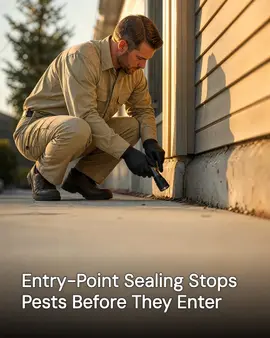
The entry point, not the pest.

Show the sealed gap under the garage door or the foam around a pipe, with the pest left out of frame. Caption: 'The mice do not come through the walls. They come through this.' It teaches prevention and keeps the page something a homeowner can look at over lunch.

Ants in spring: what they want.

Explain what spring ants are after (food, water, a trail) and the one thing to remove tonight. Timed to the week the first ants show up, this is the post a homeowner finds when they are already looking.

Wasps, without the close-up.

A photo of the nest location at a safe distance, or a still of the eave. Say when to leave it alone and when to call. The post names the problem and the fix without a single frame of the thing flying.

What the quarterly plan actually does.

Walk the four visits a year and what each one targets by season. This is the post that turns a one-time call into a steady customer, and it explains the plan everywhere the homeowner actually reads.

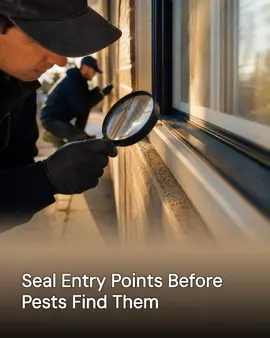
The inspection report, decoded.

Take one line from a real inspection report and say what it means in plain words. It turns jargon into a reason the professional's eyes matter, and it is the post a homeowner saves before they buy a house.

Mice in fall: the checklist.

Four things to do before the nights turn cold: seal, store, trim, check. One photo, one list. It lands weeks before the first mouse does, which is when it reads as help instead of a sales call.

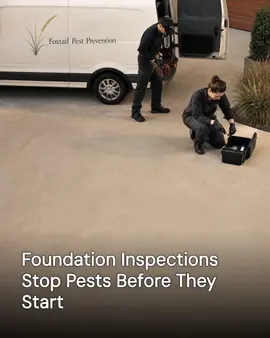
The truck, the tech, the quiet day.

Name the tech, say what they did today, one line on why a quiet route day is a good day. A human post in a trade nobody wants to think about does more for trust than any slogan.

Keep the camera on the fix

The rule that runs through every post above: show the solution, not the infestation. The seal, the empty nest site, the decoded report, the checklist. The homeowner wants the problem gone, and the feed that shows what gone looks like is the feed they trust.

And one honesty line for this trade in particular: never post a price or a promise you cannot keep for the next job, and never name a customer or their address. The person with ants on the counter is embarrassed enough; the company that treats it as normal is the one they call.

Where SpeedRun Social fits in

Every idea on this page is something a person can make in an afternoon with a phone. The part a tool can take is the repetitive half: turning the week's jobs and the brand's own voice into drafted captions, images and a short video, on schedule, with you approving each one before it goes out.

A free account includes one campaign a week, every week, which comes to 12 posts, 4 videos and 4 cross-posts a month, plus 300 credits refilled monthly and no credit card.

Questions people ask about this

  • How often should a pest control company post?

    Two to three times a week during the active seasons, less in the dead of winter. The calendar is the real schedule: post the ant advice in early spring, the wasp advice in early summer, the mouse checklist in early fall. Being early is what reads as helpful.

  • Should a pest control feed show the pests?

    Almost never. A close-up of an infestation gets a reaction, but it repels the homeowner you want to reach. Show the entry point, the sealed gap, the empty nest site, the checklist. The fix is the content; the pest stays out of frame.

  • What should a pest control company never post?

    Never post a customer's home, address, or the fact that you treated it, and never post a scare tactic. A photo meant to frighten a homeowner into calling is a trust expense, and in this trade the trust is the entire business.

  • Can pest control posts be automated?

    The drafting can be, but the seasonal timing and the keep-it-clean eye stay human. SpeedRun Social can build a week of posts from your brand kit and job photos, with a human review step before anything publishes. Its free plan covers one campaign a week: three image posts, one short video, and one cross-post, with 300 credits a month and no credit card.

Turn one week of jobs into one week of posts

One campaign a week is included free, forever, with 300 credits refilled monthly and no credit card. Approval stays on until you switch it off.