For chiropractors
Social media marketing for chiropractors
Recall is half the job of social media for a chiropractic clinic: the patients who quietly stopped rebooking still scroll past your posts. SpeedRun Social keeps that feed stocked. It reads your website, writes and schedules the free weekly campaign, and publishes only what the clinic approves.
No account, no email, no card. One post from your own website.
Free every week: 3 posts, 1 video, 1 cross-post. No card, no trial clock. Free media carries a small watermark.
What it makes for a chiropractic clinic
Bluestem & Birch Chiropractic
Demo brand

Bluestem & Birch Chiropractic
Demo brand
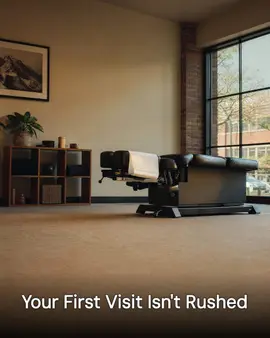
Real generator output for Bluestem & Birch Chiropractic, a demo brand we built ourselves to show a trade we have no customer in yet.
Why a chiropractic clinic's social media goes quiet
Not a discipline problem. A time-of-day problem.
- A patient three visits into a care plan cancels once, and the front desk never hears from them again. The recall call feels like a sales call to make, and the page that could do the same job quietly has been sitting idle instead.
- Visits run fifteen minutes and repeat weekly, so there is never a dramatic before-and-after to shoot, just the same table and the same room every day.
- Writing about what an adjustment does keeps drifting toward promising what it fixes, and a caption that crosses that line is a bigger problem than an empty page.
- The loudest content in the trade is the adjustment video, and the audience it pulls is scattered across the internet rather than sitting within driving distance of your table.
- Someone who wakes up stiff searches that morning, taps the map listing, and picks whichever nearby clinic looks awake. A page that last moved in spring does not.
What it does for a chiropractic clinic
Shipped features, described the way they land for your week.
Your website does the onboarding
Hand SpeedRun your web address and it imports your business details, your colors, the services you list, and images from the page. If the site offers decompression, sports work, and prenatal adjustments, the first drafts name those instead of gesturing at wellness in general.
A free campaign on a weekly cadence
The free plan includes three image posts, one short video, and one cross-post every week. For a clinic that can be one topic taught plainly, a clip of you explaining something at the table, and a cross-post with room for the question every new patient phones in: how long the first appointment takes and what to wear.
One voice from the table to the feed
The brand kit holds your tone, your reading level, and the words you use for your own services. A sports-performance clinic and a family practice should not read the same, and every network gets a caption of its own instead of one paragraph repeated five ways.
Built from your clinic, not stock spines
Generated images are built around what you upload: the adjustment tables, the lobby, the team, your logo and colors. A full posting calendar never needs a patient's face, and the photos already on your website come in at setup.
The queue is where a claim gets caught
Every post waits for a sign-off from someone at the clinic. That read has one job here: any sentence drifting from explaining care into promising results comes out before it publishes. Rewrite it, swap the image, move the date, or reject it outright.
Publishes where a stiff morning turns into a search
Connect Instagram, Facebook, LinkedIn, X (Twitter), TikTok, YouTube, Threads, Pinterest, Bluesky, Google Business Profile, and WordPress. The map listing pulls the most weight for a clinic, because the person searching there has already decided to see someone and is only choosing which door.
How to run a chiropractic clinic's social media
Four habits shaped by how this trade actually runs: visits are short, they repeat, and patients leave without ever saying so.
What you need
- A written yes from any patient who appears in a photo or clip, collected before the camera comes out, with the refusals kept as carefully as the consents.
- Enough photos of the clinic itself, tables, lobby, the person at the desk, to run the account without a single patient in frame.
- A named approver who knows the line between explaining care and promising results.
- The questions patients ask face-down through the headrest, written down for a week.
Post on the rhythm patients visit on
Chiropractic runs on repeat visits, and the account should run the same way: one steady week after another instead of a burst whenever someone remembers. The patient who lapsed in March is not watching for you, but a feed that never stopped is there the morning their back seizes and they pick up the phone. The steadiness is the strategy, and it is the one part a queue does better than a person.
Teach one thing, promise nothing
The best education post answers a single question in plain words: what actually happens during an adjustment, why a first visit runs longer, what the popping sound is. Write at the reading level of someone sore and skeptical, and keep every sentence descriptive. The moment a caption says what treatment will do for the reader, it has stopped being education, and the approval queue is where that sentence gets deleted.
Film the explanation, not the crack
The adjustment clips that pull enormous audiences are made by a handful of accounts performing for the internet, and the viewers they draw live everywhere except your town. Film the quiet version instead: hands still, you at the table explaining one thing, the room a first-timer will actually walk into. A new patient is choosing the person who will work on their spine, and half a minute of you talking tells them more than any compilation.
Write the reactivation post nobody has to answer
A recall call puts a lapsed patient on the spot; a post does not. What changed at the clinic this month, a new associate's face, evening hours, the reminder that returning patients can book online without explaining anything: each one is a door left open rather than a knock. Aim one post a month at the people who already have a file at your desk, because the rest of the trade's marketing forgets they exist.
Common mistakes
- Promising relief in a caption. What care does for any one patient is a conversation at the table, and in a caption it reads as a claim about the reader.
- Chasing the adjustment-video audience. Views from three time zones away do not become Tuesday appointments.
- Posting X-rays. To a clinician it is an interesting finding; to everyone else it is somebody's medical record with a caption on it.
- Aiming every post at strangers while the recall list, the readers who already trust the clinic, scrolls past unmentioned.
What the free plan gives a chiropractic clinic
One campaign a week, generated and scheduled, with no card and no trial clock. Media on the free plan carries a small watermark; paid plans remove it.
- 3 image posts
- 1 short video
- 1 cross-post
- 300 credits a month
Questions chiropractors ask
What should a chiropractor post on social media?
Explanations and the clinic itself. What happens at a first visit, why appointments repeat, what the popping sound actually is, who works at the desk, how to book without calling. There are sixteen chiropractic social media post ideas grouped by patient stage on the blog, each with the sentence it must not cross. The free weekly campaign gives you three image posts, one short video, and one cross-post a week to spend on those, and none of it needs a patient in frame.
Does it connect to our practice management or EHR software?
No. There is no integration with practice management, scheduling, or electronic health record software, and nothing here ever touches a patient file. SpeedRun reads your public website once at setup, then works from your brand kit and whatever photos you upload. Your appointment book stays wherever it already lives.
Will the captions claim what an adjustment can treat?
They are not supposed to, and the approval queue is where the clinic makes certain. Captions generate from your brand kit and wait for a sign-off, and a sentence promising outcomes is the first thing that read exists to remove. No software knows the advertising rules your board enforces; the person tapping approve does.
Can we run the account without posting patients?
Yes. Images are built from what you upload: the rooms, the tables, your team, your logo and colors. A patient never has to appear. If one does, with a written yes, the consent record belongs to the clinic, and the queue gives you a second look before the post goes anywhere.
What does it cost to try?
The free plan costs nothing and does not ask for a card. It includes 300 credits a month and one free campaign a week, and media generated on the free plan carries a small watermark. Paid plans add credits and remove the watermark, and you can cancel any time.
Part of
Social media automation for service businesses
16 chiropractic social media post ideas, by patient stage
New to the tools themselves? AI social media posting for chiropractors, explained covers what the category costs and where it stops.
Also built for
- Social media marketing for barbers
- Social media marketing for restaurants
- Social media marketing for plumbers
- Social media marketing for landscapers
- Social media posts for dentists
- Social media marketing for roofers
- Social media posts for countertop shops
- Social media for real estate agents
- Social media marketing for hvac pros
- Social media marketing for electricians
- Social media post ideas for gyms
- Social media for cleaning businesses
- Social media posts for hair salons
- Social media marketing for med spas
- Social media marketing for auto repair
- Social media marketing for law firms
- Social media marketing for pest control
- Social media marketing for veterinarians
- Social media ideas for nail salons
- Social media for nonprofits
- Social media for photographers
- Social media for general contractors
- Social media posts for painters
- Social media for accountants
- Social media ideas for coffee shops
- Social media posts for car detailers
- Social media marketing for tattoo studios
- Social media for bars and breweries
- Social media content for bakeries
- Social media marketing for yoga studios
- Social Media for personal trainers
- Social media marketing for pet groomers
- Social media posts for florists
- Social media for boutiques
- How SpeedRun Social works
Keep the feed as steady as the visits
Connect the clinic's website, read each caption for claims, and approve the week between patients. The free plan takes no card.