For cleaning businesses
Social media for cleaning businesses
Trust decides who cleans a home, and social media for a cleaning business is where that trust gets built. SpeedRun Social keeps the page alive: it learns your services from your website, writes captions per platform, generates images and video around your own photos, and holds every post for approval. The weekly campaign is free.
No account, no email, no card. One post from your own website.
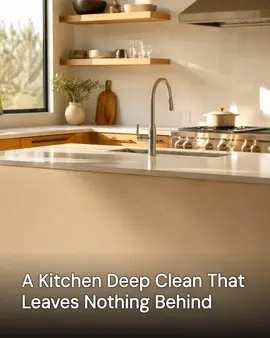
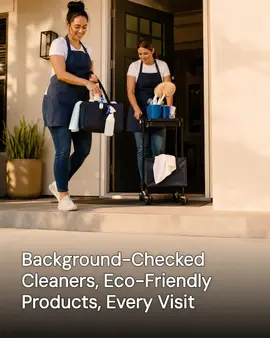
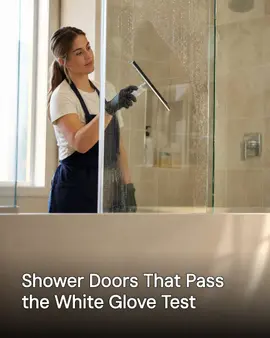
Real generator output for Mile High Tidy, a demo brand we built ourselves to show a trade we have no customer in yet.
Free every week: 3 posts, 1 video, 1 cross-post. No card, no trial clock. Free media carries a small watermark.
Why a cleaning business's social media goes quiet
Not a discipline problem. A time-of-day problem.
- Your best proof lives inside somebody's private home, and you cannot show it without asking first.
- A clean that went perfectly looks like nothing happened. Without a before shot there is no evidence you were there.
- The day is quotes, driving, and the jobs themselves. The business page gets whatever energy is left at nine at night.
- A new client is deciding to hand a key to a stranger, and the page they check has not moved since spring.
What it does for a cleaning business
Shipped features, described the way they land for your week.
Your website is the setup
Give SpeedRun your web address and it imports the services you sell, your colors, and the photos already on your pages. If the site lists post-construction and move-out cleans, the first drafts talk about those instead of guessing.
The weekly campaign is free
Each week the free plan drafts three image posts, one short video, and one cross-post. For a cleaning business that can be a detail pair from a job you had permission to shoot, a clip of the kit going into the van, and a cross-post carrying a room-by-room checklist clients save.
Captions that sound like your company
A solo housekeeper and a commercial crew that strips office floors should not read alike. Your brand kit holds the tone and the words you use for your own work, and each network gets a caption written for that network instead of one paragraph reused everywhere.
Built from your shots, even the tight ones
Generated images are built around what you upload: a polished faucet, the supply caddy, your crew, your logo. Tight crops work well as inputs, which matters in this trade, because a close frame proves the clean without showing whose home it is.
Approval is where the privacy rule holds
Every post waits in a queue until a person approves it. Here that review does double duty: it is the second check that no client's home goes up without a recorded yes. Edit the caption, swap the image, push the date, or reject the post.
Publishes where clients check before booking
Connect Instagram, Facebook, LinkedIn, X (Twitter), TikTok, YouTube, Threads, Pinterest, Bluesky, Google Business Profile, and WordPress. For a local cleaning company the map listing matters most, because the person searching there already wants the service and only needs a reason to pick you.
How to run a cleaning business's social media
Every step below assumes the same thing: the home belongs to the client, and the content only exists if the asking comes first.
What you need
- A permission line in your quote or booking form, plus a record of every no.
- A phone with a wiped lens. Product residue on the camera softens every shot you take.
- Shots of your own kit and crew, for the jobs you cannot show.
- A short list of the jobs you want more of, such as move-outs or offices.
Settle the photo question at the quote
Put one line in the estimate or booking form asking to photograph the work, never the whole home, and note the answer next to the client's name. A yes gathered at the door on cleaning day pressures people; a yes gathered at the quote is a real one. The no list matters as much as the yes list, because the crew needs to know it before anyone lifts a phone.
Crop until the home disappears
Shoot the faucet, the grout line, the oven glass, the edge of a carpet. A tight frame does two jobs at once: it shows the actual work, which a wide room shot hides, and it strips out everything that could identify the house. If a neighbor could recognize the room, the frame is too wide.
Take the before at the ugliest spot
The pair only lands when the before is honest. Limescale on a shower door, a stove nobody has touched in a year, a carpeted stair gone grey. Photograph that exact spot on arrival, from the same angle you will use after, and resist the urge to pick a room that was already presentable. Show age and grime, not neglect: the buildup is the story, and the client should never feel judged by the frame.
Introduce the person who holds the key
The question behind every booking is not how well you clean. It is who will be alone in the house. A face, a first name, and how long they have been with you answers it better than any spotless countertop. Post your people, with their consent, more often than your results.
Walk through a first visit, start to finish
Who arrives, what they bring, whether the client should be home, whether the company is insured, what happens if something gets broken. Each of those is a question a nervous first-timer is silently asking, and each one makes a post. Answer them in public before anyone has to ask.
Common mistakes
- Posting a wide shot of a client's living room because they once said yes to a photo of the sink.
- Skipping the before because the room was embarrassing. The embarrassing room was the post.
- Running a feed of logos and quote graphics when the doubt you are answering is about a person.
- Adding a location tag to a job post. The client's neighborhood is not your content.
Post ideas a cleaning business can repeat all year
Each one names the material you already have and how the caption starts. The sample captions are samples: swap in your own names, dates, and details.
The spot nobody notices
Teaching the reader what good work includes is the post that gets saved.
One detail a client would miss, like the top of the fridge or the oven door hinge.
“We clean the top of the fridge every visit. Most people check it once a year and remember why they do not.”
The kit that goes in the van
A prospect sees exactly what is about to touch their home.
The caddy laid out on the tailgate, cloths, squeegee, solutions, each named.
“This is everything we bring to a first clean. If you have a product you like better, tell us and we will use it.”
The checklist, posted
A checklist gets saved, and a saved checklist comes back when someone is hiring.
The room by room list the crew works from, or the relevant part of it.
“This is the list we run on a move-out. Top to bottom, left to right, nothing gets skipped because it is written down.”
The week on the board
A working schedule, names blocked out, shows a business in demand without having to say so.
A photo of the week's board or calendar with names covered.
“Four move-outs, two first cleans, and a recurring this week. The board is full and the crew knows it by Monday.”
How often to change the mop water
A small concrete tip people save, told with the number you actually use.
A short clip or photo of the bucket mid-job, with the rule stated plainly.
“The mop water gets changed between rooms, not between houses. Dirty water just smears the dirt around.”
The product most homes misuse
One product, one fix, no lecture.
The product in hand, named, with what to do instead.
“Too much cleaner on a floor leaves a film that grabs dirt. A mist is enough, and the bottle lasts longer.”
What to expect from a first clean
A new client who knows the choreography books easier.
A short walkthrough of what the first visit covers and roughly how long it takes.
“A first clean takes longer than a recurring one, and it should. We do the deep pass the first time so the regular visits stay fast.”
The key handoff, respectfully
Answering the access question in public is how a new client gets to yes.
A short post on how the company handles keys, codes, and entry logs.
“We never copy a key, we never share a code, and we log every entry. Your lock, your rules.”
Questions customers already ask
Every one of these arrives by phone or search anyway. Answer one in public each week and it becomes a post.
- Do I need to be home while you clean?
- Do you bring your own products, or should I supply them?
- What happens if something gets broken?
- How much does a move-out clean cost?
- Are you insured?
- Do I need to tidy up before you come?
- Who will actually be in my house?
What the free plan gives a cleaning business
One campaign a week, generated and scheduled, with no card and no trial clock. Media on the free plan carries a small watermark; paid plans remove it.
- 3 image posts
- 1 short video
- 1 cross-post
- 300 credits a month
Questions cleaning businesses ask
Do we have to show clients' homes at all?
No. The images are generated around whatever you provide, and your kit, your crew, your colors, and tight detail shots are enough to run the account. Plenty of strong cleaning content never shows a room wide enough to recognize.
A client said no to photos. What can we post from that job?
Nothing from that job, and that is the answer even when the transformation was dramatic. A no covers the whole house. Post the craft instead: the products you trust, a technique clip filmed at your own place, the checklist your crew runs.
Does it connect to Jobber, Housecall Pro, or our booking software?
No. SpeedRun does not connect to Jobber, Housecall Pro, or any field service platform. It reads your website once at setup and works from your brand kit and uploaded photos. Your job scheduling and your posting schedule stay separate.
Can one person run this between jobs?
Yes. Setup is your website address and a few answers. After that the week arrives as drafts, and the work is reading them and tapping approve, which fits in the gap between a job ending and the drive to the next one.
What does the free plan actually include?
The free plan costs nothing and does not ask for a card. It includes 300 credits a month and one free campaign a week, and media generated on the free plan carries a small watermark. Paid plans add credits and remove the watermark, and you can cancel any time.
Part of
Social media automation for service businesses
social media post ideas for cleaning services
New to the tools themselves? AI social media posting for cleaning businesses, explained covers what the category costs and where it stops.
Also built for
- Social media marketing for barbers
- Social media marketing for restaurants
- Social media marketing for plumbers
- Social media marketing for landscapers
- Social media posts for dentists
- Social media marketing for roofers
- Social media posts for countertop shops
- Social media for real estate agents
- Social media marketing for hvac pros
- Social media marketing for electricians
- Social media post ideas for gyms
- Social media posts for hair salons
- Social media marketing for med spas
- Social media marketing for auto repair
- Social media marketing for law firms
- Social media marketing for pest control
- Social media marketing for veterinarians
- Social media ideas for nail salons
- Social media for nonprofits
- Social media for photographers
- Social media marketing for chiropractors
- Social media for general contractors
- Social media posts for painters
- Social media for accountants
- Social media ideas for coffee shops
- Social media posts for car detailers
- Social media marketing for tattoo studios
- Social media for bars and breweries
- Social media content for bakeries
- Social media marketing for yoga studios
- Social Media for personal trainers
- Social media marketing for pet groomers
- Social media posts for florists
- Social media for boutiques
- How SpeedRun Social works
Turn the yes list into a feed
Connect your website, check each draft against the permissions you hold, and approve what fits. There is no card and no trial clock.