For veterinarians
Social media marketing for veterinarians
The week's social media post ideas at a veterinary clinic sit in the lobby: the kitten's first vaccine visit, the senior dog going home after a dental, the clinic cat asleep on the printer. SpeedRun Social turns them into posts, writes the captions, builds the images and video, and queues everything for your approval, free.
No account, no email, no card. One post from your own website.
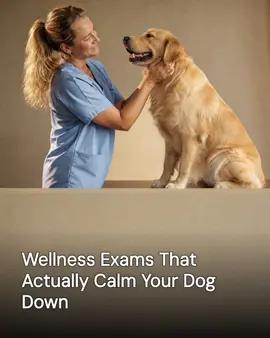
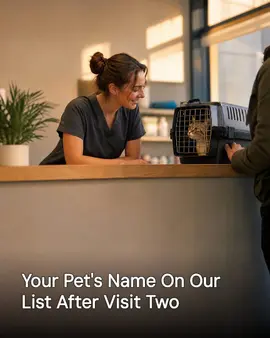
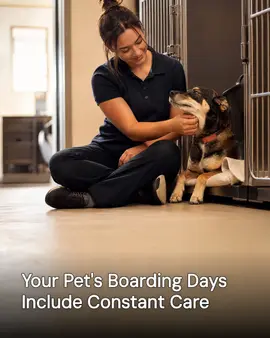
Real generator output for Cedar Hollow Veterinary Clinic, a demo brand we built ourselves to show a trade we have no customer in yet.
Free every week: 3 posts, 1 video, 1 cross-post. No card, no trial clock. Free media carries a small watermark.
Why a veterinary clinic's social media goes quiet
Not a discipline problem. A time-of-day problem.
- Every exam room produces a photo a client would love, and every one of them stays on a tech's phone because the appointment ran over and the next one had already started.
- The front desk owns the clinic phone, and the phone rings all day, so the person closest to the account is also the person who can never touch it.
- Some days end with a euthanasia, and nobody has it in them to be cheerful online afterward, so the account goes quiet for exactly the stretch a queue would have covered.
- Pets are the one business where clients want to see the patients, which makes the content problem consent and time rather than material.
- New clients pick a vet off the map listing while the puppy is still in the car.
What it does for a veterinary clinic
Shipped features, described the way they land for your week.
Setup reads your clinic's website
Give SpeedRun your web address and it imports your business details, your colors, the services you list, and images from the page. The first drafts know you offer wellness exams, dental cleanings, and boarding rather than talking about pet care in general.
A week of posts from one quiet moment
The free plan includes a campaign every week: three image posts, one short video, and one cross-post. For a clinic that can be a going-home photo with the owner's yes, a clip of the clinic cat, and a cross-post that carries the reminders you already tape to the front desk.
A cat-only practice and a farm vet do not sound alike
Tone and vocabulary come out of your brand kit. If your clinic writes to owners the way your techs talk in the exam room, the captions do too, and each network gets its own caption rather than one paragraph pasted across every feed.
Built on the patients whose owners said yes
Generated images are built around the photos you upload: the recovering beagle whose owner signed off, your lobby, your team, your logo and colors. Nothing starts from a stock photo of a golden retriever that has never been your patient.
Nothing posts until someone at the clinic says so
Every post waits for approval, which matters when the photo is somebody's pet. Check the recorded yes, fix a name, hold a post until the patient is home and doing well, or reject it. Clearing the week takes a few minutes between appointments.
Publishes where pet owners look for a vet
Connect Instagram, Facebook, LinkedIn, X (Twitter), TikTok, YouTube, Threads, Pinterest, Bluesky, Google Business Profile, and WordPress. Facebook and Instagram are where owners already share their pets, and Google Business Profile answers the new-in-town owner searching for a clinic nearby.
How to run a veterinary clinic's social media
Six habits for a building full of animals and a staff with no spare minute, in the order they hold up on the hard days.
What you need
- A photo line on the intake form asking to post the pet, with the answer recorded next to the owner's name.
- One person per shift whose extra job is a single photo, so the account survives whoever is slammed.
- A rule that the camera stays away from anything mid-procedure. The feed gets the lobby, never the table.
- The clinic's own animal, if one lives there. If not, the team and the waiting room carry the job.
Get the yes on the intake form, not in the moment
The pet cannot say yes and the owner can, so the ask belongs on paperwork the owner already signs. A photo line at intake, with the answer recorded where the front desk sees it, beats chasing an owner by text after the perfect shot already exists. Keep the no list as carefully as the yes list, because the tech holding the phone needs to know it before the moment happens.
Shoot the going-home moment, not the treatment
The photo owners love is the discharge: the cone coming off, the tail going at the door, the reunion in the lobby. A pet mid-procedure is a clinical record and belongs in the chart, not the feed. The going-home shot is also the one an owner re-shares to their own page, because the animal in it is theirs and the news is good.
Give the clinic's own animal the recurring slot
If a cat lives at the practice, it is the one patient whose permission question never comes up, and a recurring character gives the account a spine between patient posts. If no animal lives there, familiar faces do the same job: the tech a client recognizes at the next visit is worth more than a stranger's pet.
Caption the pet, never the diagnosis
Name the dog, say he was brave, and let the owner add the rest if they choose to. What he was in for stays between the clinic and the owner. A caption that reads like a chart note is a privacy problem and a dull post at the same time, and the fix for both is writing about the animal rather than the medicine.
Keep a week approved ahead for the hard days
Veterinary work includes goodbyes, and nobody should have to draft something lighthearted an hour after one. Approving the week in advance means the account keeps moving on the days the team has nothing left, and the person who usually posts can put the phone down without the page going dark.
Show the hands the leash gets passed to
A first visit is an anxious owner handing a family member to strangers. The faces at the front desk, the tech who does the nail trims, the vet with their own dog: those posts answer the question a new client is actually asking, which is who will be with my animal when I am not in the room.
Common mistakes
- Posting a patient because the moment was adorable, without checking whether that owner is on the no list.
- Mentioning what the pet was in for. If that story gets told, the owner tells it.
- Going silent after a hard week instead of letting the approved queue carry the account through it.
- Answering a medical question in the comments. That conversation belongs in an exam room with the chart open.
- Posting only dogs and cats when the parrot in for a beak trim is the photo no other clinic in town has.
What the free plan gives a veterinary clinic
One campaign a week, generated and scheduled, with no card and no trial clock. Media on the free plan carries a small watermark; paid plans remove it.
- 3 image posts
- 1 short video
- 1 cross-post
- 300 credits a month
Questions veterinarians ask
Do we need the owner's permission to post their pet?
Ask the owner, and put the ask on your intake form so the answer is recorded before the photo exists. The wording of that policy is the clinic's to set. Every post waits in the approval queue either way, so a photo whose owner never said yes can be pulled before it goes anywhere.
Does it connect to our practice management software?
No. SpeedRun Social does not connect to practice management, appointment scheduling, or medical record systems, and it never reads patient records. It works from your website at setup plus the photos and details you choose to upload, and the posting schedule lives entirely inside SpeedRun.
Will it write about medical topics?
It drafts social posts from your brand kit, and it is not a source of veterinary guidance. Anything that reads like advice about an animal's health should be caught in your approval queue and rewritten or rejected, the same way you would treat a draft from a new receptionist. The queue exists so every caption gets that read-through.
What should a veterinary clinic post besides patient photos?
The building and the people in it. The team, the clinic cat, the going-home moments you have a yes for, what a first visit looks like, the note that boarding fills up before holidays. There are twenty veterinary social media post ideas grouped by pet-owner moment on the blog, each with the consent rule that applies. The free weekly campaign gives you three image posts, one short video, and one cross-post to spend on them, and none of it requires a patient's face.
What does it cost to try?
The free plan costs nothing and does not ask for a card. It includes 300 credits a month and one free campaign a week, and media generated on the free plan carries a small watermark. Paid plans add credits and remove the watermark, and you can cancel any time.
Part of
Social media automation for service businesses
20 veterinary social media post ideas, by pet-owner moment
best social media tools for veterinarians, ranked
New to the tools themselves? AI social media posting for veterinarians, explained covers what the category costs and where it stops.
Also built for
- Social media marketing for barbers
- Social media marketing for restaurants
- Social media marketing for plumbers
- Social media marketing for landscapers
- Social media posts for dentists
- Social media marketing for roofers
- Social media posts for countertop shops
- Social media for real estate agents
- Social media marketing for hvac pros
- Social media marketing for electricians
- Social media post ideas for gyms
- Social media for cleaning businesses
- Social media posts for hair salons
- Social media marketing for med spas
- Social media marketing for auto repair
- Social media marketing for law firms
- Social media marketing for pest control
- Social media ideas for nail salons
- Social media for nonprofits
- Social media for photographers
- Social media marketing for chiropractors
- Social media for general contractors
- Social media posts for painters
- Social media for accountants
- Social media ideas for coffee shops
- Social media posts for car detailers
- Social media marketing for tattoo studios
- Social media for bars and breweries
- Social media content for bakeries
- Social media marketing for yoga studios
- Social Media for personal trainers
- Social media marketing for pet groomers
- Social media posts for florists
- Social media for boutiques
- How SpeedRun Social works
Keep the page alive between appointments
Connect your clinic's website, approve a week in the quiet minutes, and let the queue carry the hard days. The free plan takes no card.