For electricians
Social media marketing for electricians
Social media marketing for an electrical contractor means showing licensed work that ends up hidden behind a panel door. Photograph the panel before you close it. SpeedRun Social writes the caption for each platform in your voice, generates the image around your shot, and books the week for your approval. One campaign a week is free, with no card.
No account, no email, no card. One post from your own website.
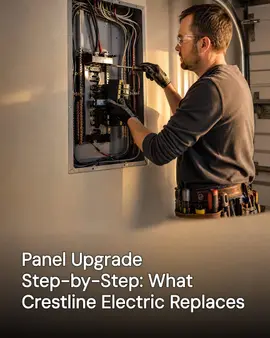
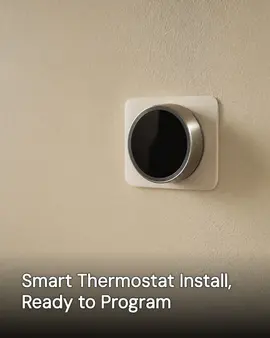
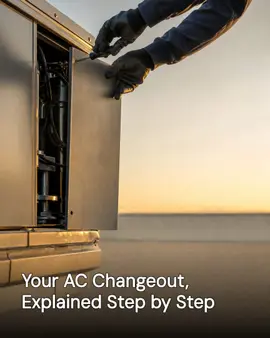
Real generator output. The first post is for electricians; the rest are neighbouring local businesses running the same pipeline. Cards marked "Demo brand" are businesses we built ourselves to show a trade we have no customer in yet.
Free every week: 3 posts, 1 video, 1 cross-post. No card, no trial clock. Free media carries a small watermark.
Why a electrical contractor's social media goes quiet
Not a discipline problem. A time-of-day problem.
- The finished product of a panel upgrade is a grey steel door in a garage. Everything that earned the invoice is behind it.
- Homeowners will paint, tile, and swap a faucet, but they will not open the panel. The caution that keeps them safe is also the caution that makes them slow to pick a stranger for the job.
- The work that photographs well, a kitchen relit or an EV charger on the wall, is the work everyone forgets to shoot before packing up.
- Inspection failures and storm calls fill the schedule, but a feed built on other people's bad days reads grim to the customer planning a remodel.
What it does for a electrical contractor
Shipped features, described the way they land for your week.
Drafts that know your services
Point SpeedRun at your web address and it imports your business details, your colors, and the services you list. The first drafts talk about panel upgrades, EV chargers, and whole-house rewires instead of generic handyman work.
One free campaign every week
Every week the free plan builds three image posts, one short video, and one cross-post. For an electrical contractor that is the labeled panel from Tuesday, a dusk clip of a finished lighting job, and a cross-post with room to walk a rewire through its stages.
Captions in your voice, not a template's
The brand kit holds your company name, how you talk to a nervous homeowner, and what you want to be known for. A one-truck master electrician's captions should not read like a franchise's, and each platform gets its own version.
Posts built on your job photos
Upload the panel shot or the finished fixture straight off your phone and the generated post is built around it. The breaker panel in the image is the one you wired, not a stock photo carrying someone else's workmanship.
Sign-off before anything goes out
Every post waits for your approval, which matters when a caption describes what you found inside somebody's wall. Edit the wording, swap the photo, hold it a week, or reject it outright. Nothing publishes on its own unless you turn on autopilot.
One schedule, every profile
Connect Instagram, Facebook, LinkedIn, X (Twitter), TikTok, YouTube, Threads, Pinterest, Bluesky, Google Business Profile, and WordPress. Google Business Profile and Facebook do the heavy work for an electrical contractor, and a single schedule covers every account you connect.
How to run an electrical contractor's social media
Everything below answers one problem: the trade customers are most afraid to try themselves is also the trade whose finished work photographs worst.
What you need
- Your license number, ready to go in every profile bio rather than only on the truck door.
- A work light or headlamp, because panels live in the darkest corner of the house and a phone flash flattens them.
- The homeowner's okay to photograph inside the house, asked when you quote the job.
- A glance at each shot for house numbers and anything personal before it leaves your phone.
Photograph the panel before the door closes
The after photo is combed conductors, straight runs, and a circuit directory written so the owner can read it. Take it with the dead front off and a work light aimed across the panel, because a phone flash on grey steel in a dark garage is the reason these jobs never get posted. If the before was a mess of taped splices, shoot that too from the same angle; the pair explains the invoice better than any caption.
Let the lighting jobs carry the feed
Under-cabinet runs, recessed cans, a chandelier hung on a tall foyer, an exterior fixture at dusk. Lighting is the one electrical job where the result is visible from across the room, so shoot it in the evening with everything switched on and the phone braced against a ladder rung. One good dusk photo out-argues ten panel shots, and it is the image a homeowner saves while planning their own kitchen.
Write the caption for the person who would never touch it
Say what you found in plain words, what you replaced it with, and why the owner never has to think about it again. The reader knows enough to be worried and not enough to judge the work, so the calm explanation is the credential. Skip the horror-story framing; a page of scorched outlets reads as a sales tactic, and the customer it attracts is the one shopping on panic rather than on trust.
Make the license visible without saying trust me
Put the license number in the profile bio on every platform, and let the work reference it on its own: the permit taped in the window, the sticker from a passed inspection, torque marks on the lugs. A homeowner cannot evaluate a splice, but they can look up a license number, and the ones careful enough to check are the customers a good contractor wants.
Common mistakes
- Posting the closed panel door. Grey steel with the door shut looks the same whether the work behind it is clean or frightening.
- Piling on scare content. One photo of the melted splice you replaced is information; a feed full of them says you sell fear.
- Cropping out the circuit directory. The handwritten labels are the most reassuring thing in the photo and cost nothing to include.
- Treating an EV charger install as routine. It is the job homeowners are actively searching for, and it photographs like a product shot.
What the free plan gives a electrical contractor
One campaign a week, generated and scheduled, with no card and no trial clock. Media on the free plan carries a small watermark; paid plans remove it.
- 3 image posts
- 1 short video
- 1 cross-post
- 300 credits a month
Questions electricians ask
What should an electrician post on social media?
The work, shot so it reads. A labeled panel after a service upgrade, a kitchen at dusk with the new lighting on, an EV charger on a garage wall, the sticker from a passed inspection. SpeedRun turns one photo like that and a line about the job into a finished post, and the free weekly campaign covers the week.
Most of our work is service calls. Is there enough to post?
Yes, because a service call has the same before and after as a remodel, just smaller. A ceiling fan that stopped wobbling, a dead outlet brought back, a directory that finally matches the house. Small fixes are what most homeowners need, so they are what most homeowners search for.
Is it okay to post photos from inside a customer's home?
Ask first and keep the frame tight on the work. A panel, a fixture, or a charger photographed close shows nothing personal, and every post sits in your approval queue so you can catch an address or a family photo before it publishes.
Can the posts mention that we are licensed and insured?
Yes. Your license and anything else you want stated go in the brand kit, and you can edit any caption before it publishes. What SpeedRun will not do is invent credentials; it writes from what you give it.
What does the free plan include?
The free plan costs nothing and does not ask for a card. It includes 300 credits a month and one free campaign a week, and media generated on the free plan carries a small watermark. Paid plans add credits and remove the watermark, and you can cancel any time.
Part of
Social media automation for service businesses
New to the tools themselves? AI social media posting for electricians, explained covers what the category costs and where it stops.
Also built for
- Social media marketing for barbers
- Social media marketing for restaurants
- Social media marketing for plumbers
- Social media marketing for landscapers
- Social media posts for dentists
- Social media marketing for roofers
- Social media posts for countertop shops
- Social media for real estate agents
- Social media marketing for hvac pros
- Social media post ideas for gyms
- Social media for cleaning businesses
- Social media posts for hair salons
- Social media marketing for med spas
- Social media marketing for auto repair
- Social media marketing for law firms
- Social media marketing for pest control
- Social media marketing for veterinarians
- Social media ideas for nail salons
- Social media for nonprofits
- Social media for photographers
- Social media marketing for chiropractors
- Social media for general contractors
- Social media posts for painters
- Social media for accountants
- Social media ideas for coffee shops
- Social media posts for car detailers
- Social media marketing for tattoo studios
- Social media for bars and breweries
- Social media content for bakeries
- Social media marketing for yoga studios
- Social Media for personal trainers
- Social media marketing for pet groomers
- Social media posts for florists
- Social media for boutiques
- How SpeedRun Social works
Put the finished work on the page
Connect your site, look over the week it drafts, and publish nothing you have not signed off on. The free plan asks for no card.